Pace Logo

Building Sciences

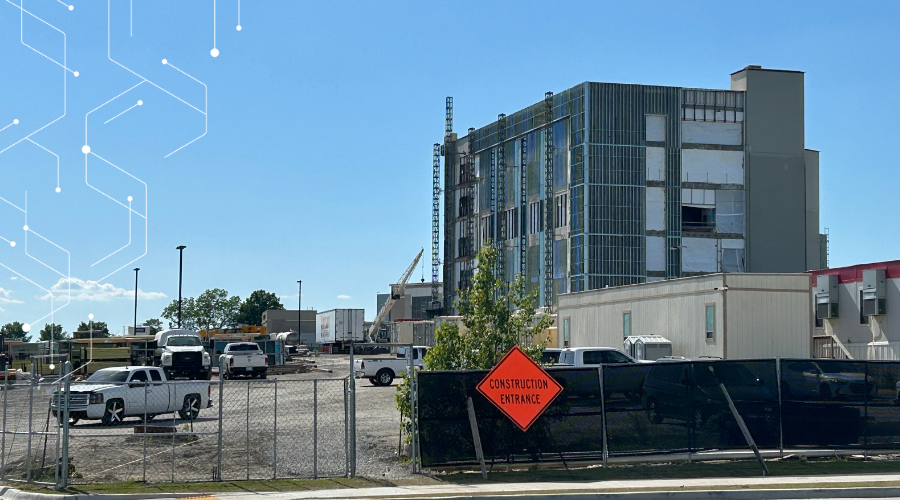
The Hidden Risks of Healthcare Construction

With demands on the American healthcare system growing, construction projects to expand capacity or update services are a common sight in facilities across the country. However, construction and renovation projects can inadvertently pose significant health risks if not managed properly. Among the various hazards, microbiological dangers such as Legionella, molds, and other waterborne or airborne pathogens […]

The Hidden Risks of Healthcare Construction Read More »
Reducing Healthcare-Associated Infections with AAMI ST108

Healthcare-Associated Infections (HAIs) are a major public health concern as they increase the length of hospital stays, healthcare costs, and mortality rates. During the COVID-19 pandemic, HAIs rose by 47% across all types of healthcare facilities and by 65% in intensive care units (ICUs). Thankfully, rates have dropped again, but the pandemic demonstrated just how vulnerable healthcare

Reducing Healthcare-Associated Infections with AAMI ST108 Read More »

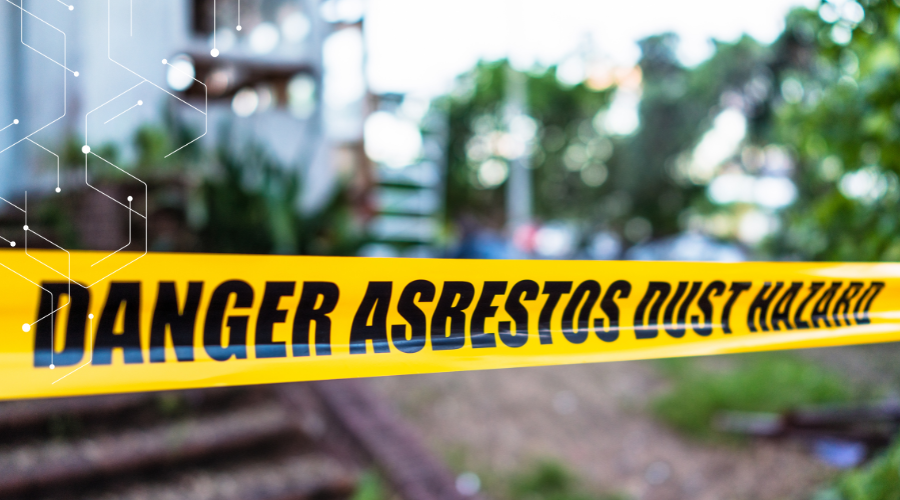
Decoding Asbestos Dust Sampling: What You Need to Know

Curious about the advantages and limitations of various asbestos detection methods? During my April webinar, I took a deep dive into settled dust sampling—a topic that’s both technically important and practically relevant for industry professionals. Let’s start with the basics: settled dust refers to those loose fibers and particles that collect on surfaces throughout buildings.

Decoding Asbestos Dust Sampling: What You Need to Know Read More »

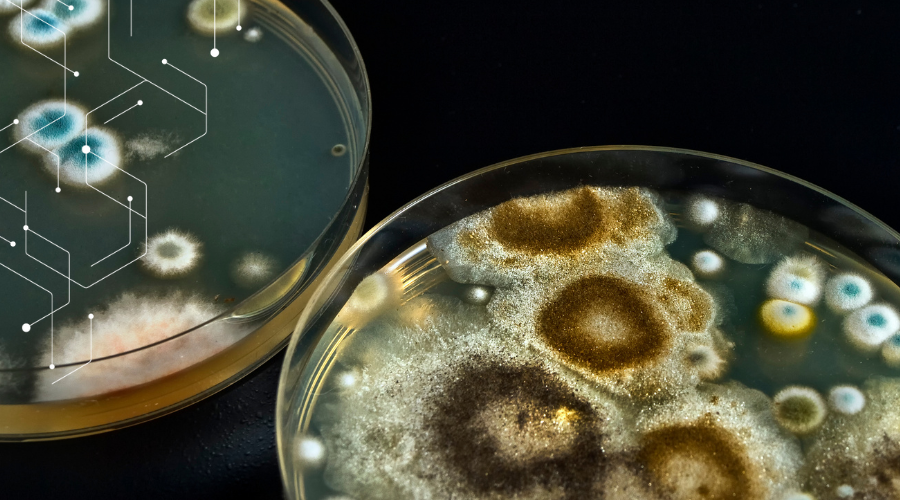
Top 4 High-Risk Molds in Healthcare Facilities and How to Address Them

Just add water… Mold grows in hospitals and other healthcare facilities for the same reason it grows in old buildings. Mold spores are everywhere, and all it takes is a bit of moisture to activate them. However, while common molds in a residential or office building may cause allergy symptoms in those with mold sensitivities,

Top 4 High-Risk Molds in Healthcare Facilities and How to Address Them Read More »

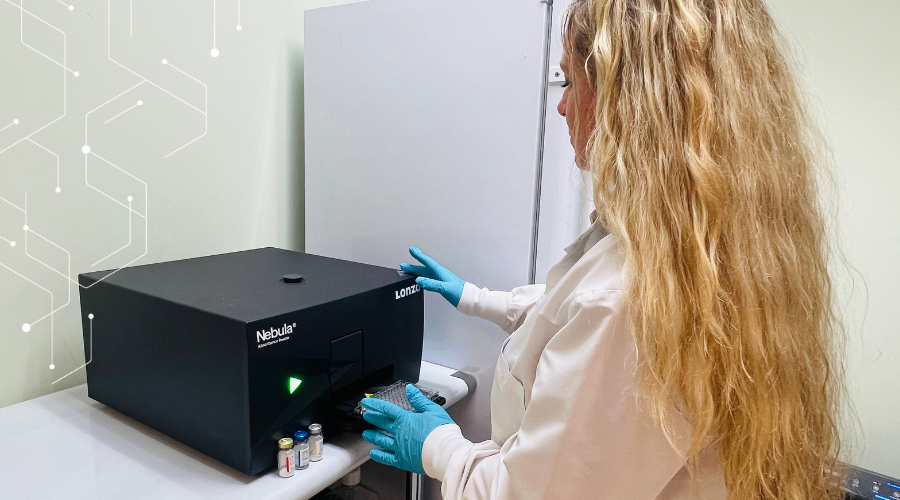
USP <797> FAQs: Positive and Negative Controls

At its essence, USP <797> is a quality control (QC) standard used to protect patients from contamination that can occur when pharmacies produce compounded sterile preparations (CSPs). Media-fill, gloved fingertip, surface sampling, and other tests are used to confirm personnel competency and ensure bioburden control of compounding areas and personnel. For these results to be valid,

USP <797> FAQs: Positive and Negative Controls Read More »

What Facilities Managers Need to Know About New Jersey’s new “Legionella Law”

In 2024, the New Jersey state legislature passed S2188/A1970, a law requiring Public Community Water Systems, owners or operators of certain types of buildings, and others to take action to protect public health by preventing and controlling Legionella in their water systems. This bill is now enshrined in New Jersey state law.   In my most recent post, I covered what

What Facilities Managers Need to Know About New Jersey’s new “Legionella Law” Read More »

What Community Water Systems Need to Know About New Jersey’s new “Legionella Law”

In 2024, the New Jersey state legislature passed S2188/A1970, a law requiring Public Community Water Systems, owners or operators of certain types of buildings, and others to take action to protect public health by preventing and controlling Legionella in their water systems. This bill is now enshrined in New Jersey state law. In this post, we drill down on

What Community Water Systems Need to Know About New Jersey’s new “Legionella Law” Read More »